
Supplements and Safety | FRONTLINE

FRONTLINE, The New York Times and the Canadian Broadcasting Corporation examine the hidden dangers of vitamins and supplements, a multibillion-dollar industry with limited FDA oversight.
John, the 102-year-old nutritionist: ‘If you do it, the risk of dying is cut in half’
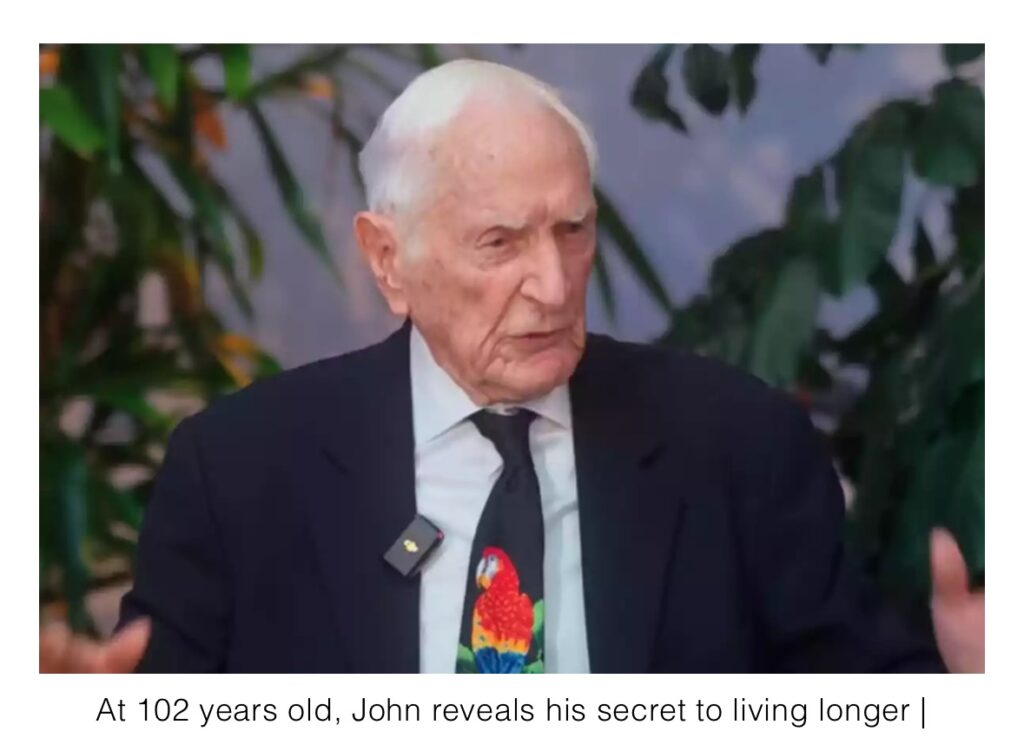
Longevity is a topic that has intrigued humanity since the beginning. However, few experts can back up their advice with more than a century of experience. John Scharffenberg, a physician and nutritionist trained at Harvard, has shared an essential key to living longer: walking 1.2 mi. (2 km) a day can cut the risk of dying in half.
Opinion, The shifting sands of Crane Beach — and of life
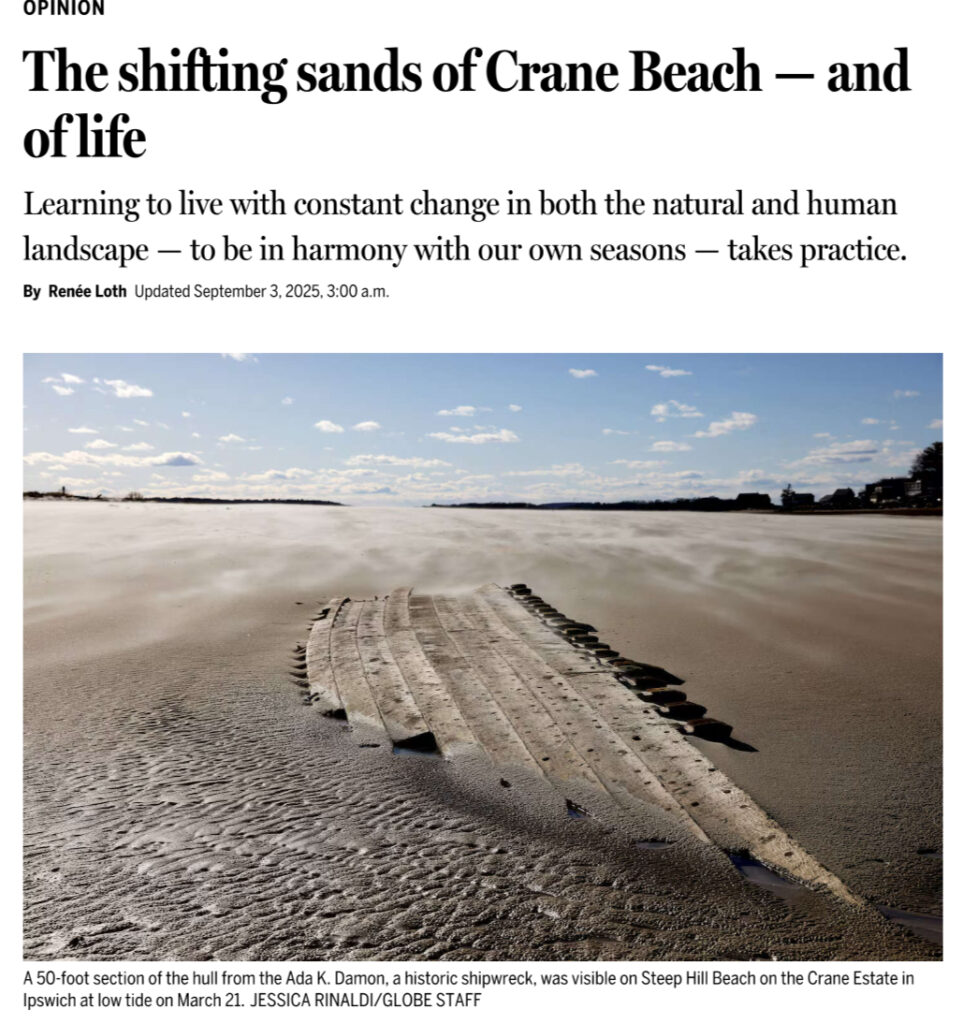
A few summers back, the wreck of the Ada K. Damon emerged on Steep Hill Beach in Ipswich. The 84-foot double-masted schooner had run aground on its maiden voyage in 1909 and spent more than a century well preserved under the cold, wet sand.
Health Diary: Chair yoga and EFT approach for cancer care

We’ll be focusing on two interventions that are used as far as holistic approach to cancer care is concerned. We’ll be looking at chair yoga and EFT.
Vella Bioscience CEO Wants to Rewrite the Language of Female Pleasure
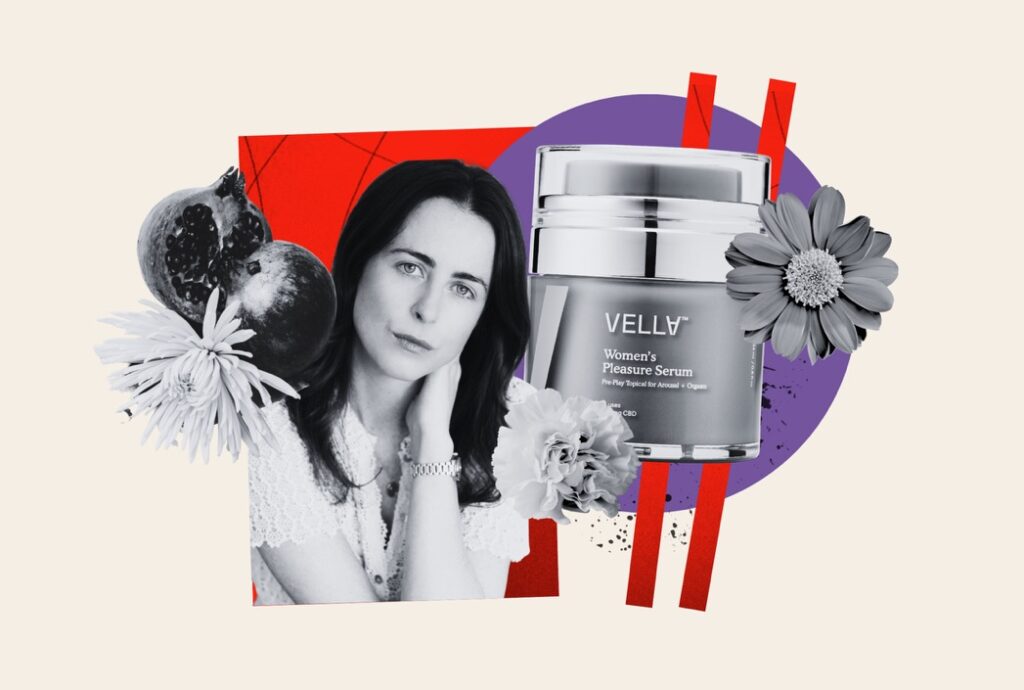
Carolyn Wheeler runs a sexual wellness company, but if you ask, she’ll tell you she’s in the business of words. “I’ve always seen it as sort of a literacy project,” she said of Vella Bioscience. “The more words that exist to describe a woman’s body, the better our bodies will get taken care of.”
The Relentless Quest for a Breast – The Cut
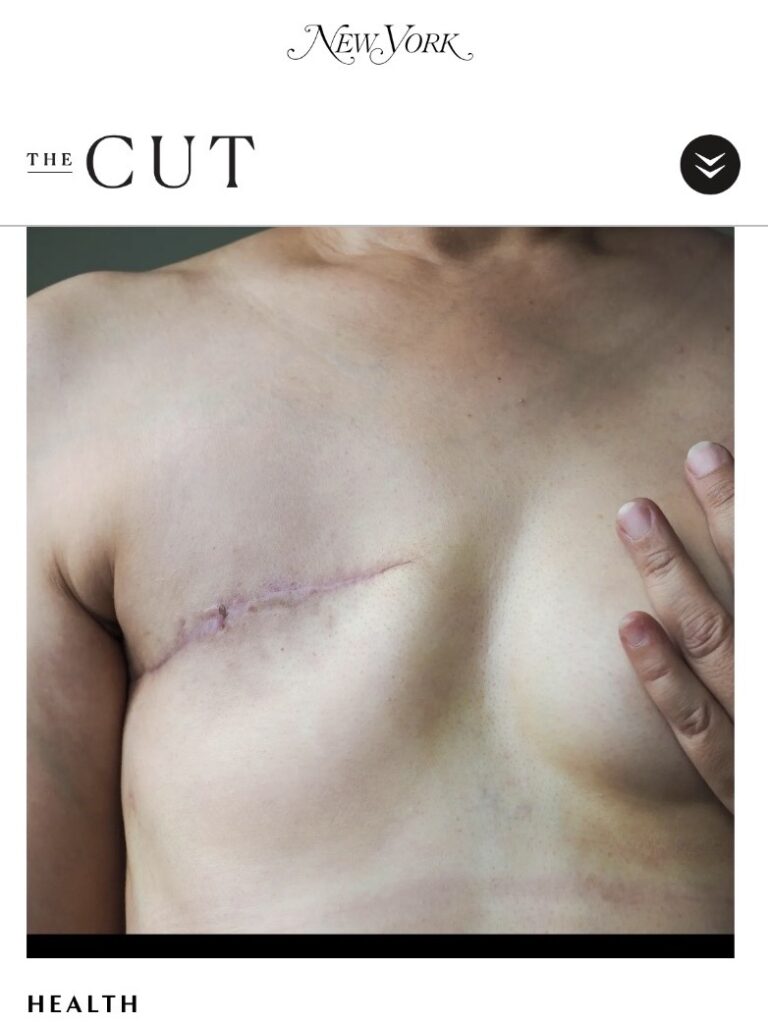
For some women, reconstruction after mastectomy is a process riddled with complications and disappointment — that lasts years longer
The Power of Face Yoga: Why I Practice It Every Day
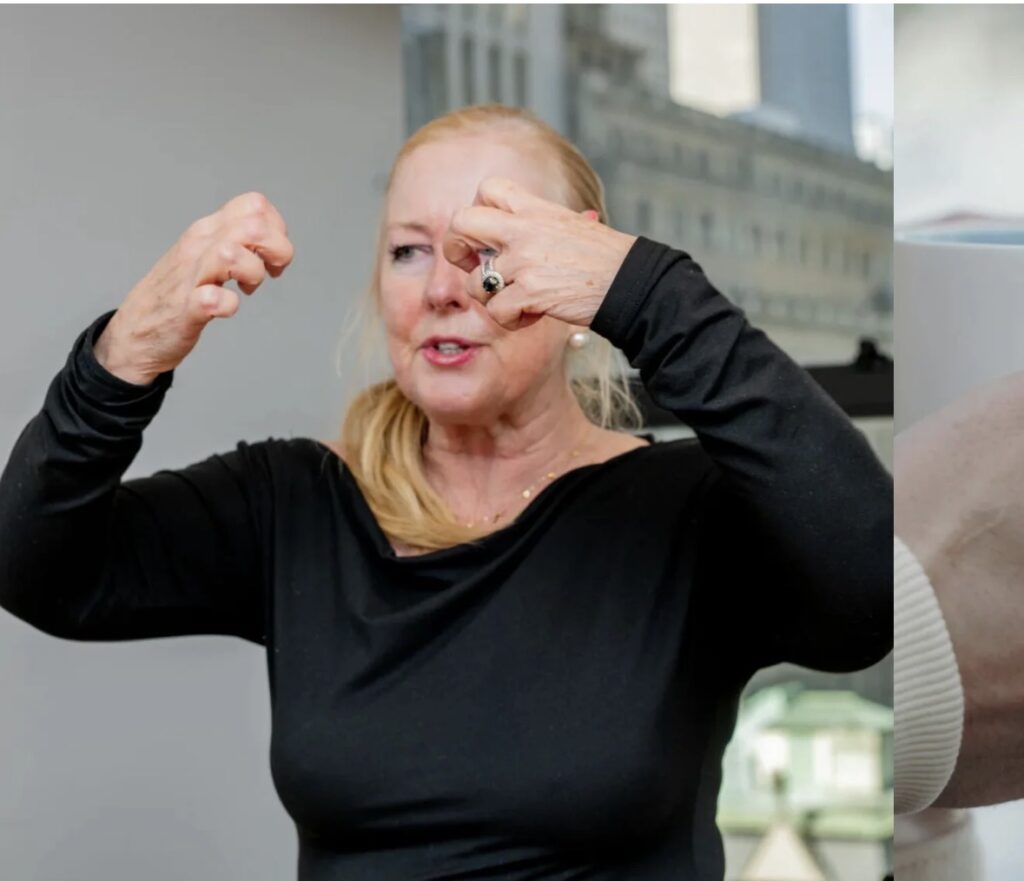
In all my years working in skin health, I always return to one simple truth: our skin is a living, breathing system. It responds to how we nourish ourselves, how we sleep, how we breathe, and how we move. And just as the body thrives with mindful movement, the skin benefits profoundly from intentional movement too.
Healing Story: What Nature Taught Me About Becoming Whole
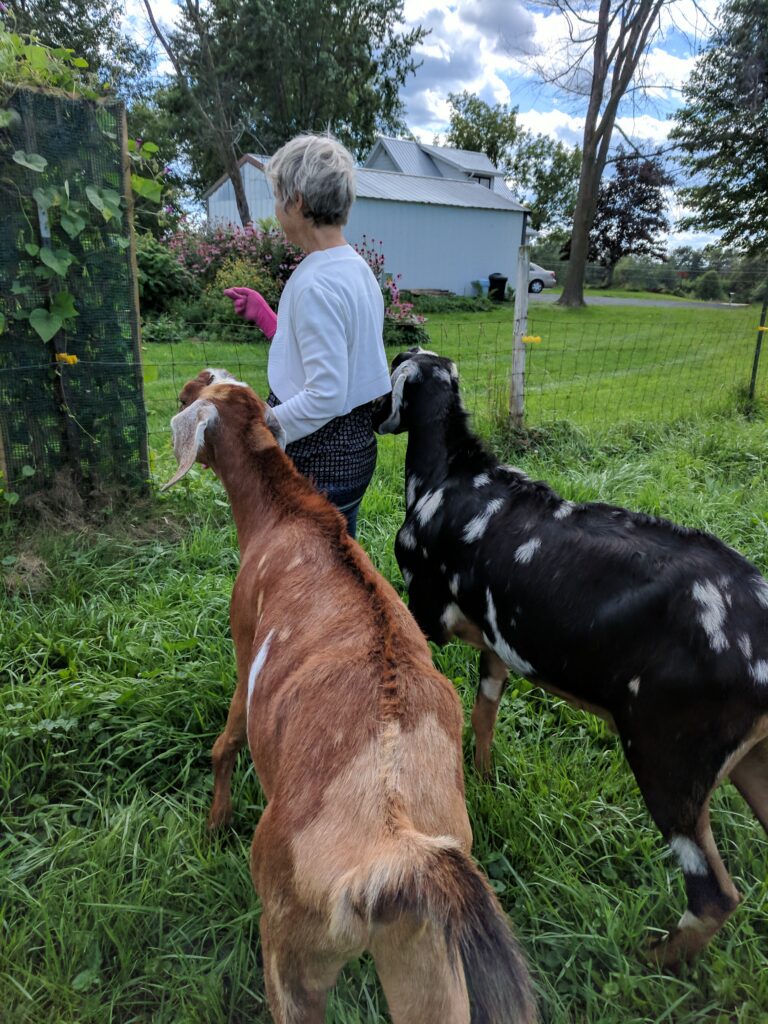
Name: Judith Driscoll. Challenge / Diagnosis: In 2012, I was diagnosed with deeply invasive stage 2 melanoma and urged to undergo immediate surgery and lymph node biopsy. Every expert predicted the cancer would return without aggressive intervention — but something in me hesitated.
New and Emerging SERDs / ER Degraders for Breast Cancer

Many breast cancers are estrogen receptor-positive (ER-positive), meaning cancer cells may use estrogen signaling to grow. Endocrine therapies are designed to interrupt this signaling, but resistance can develop over time. One important resistance mechanism is mutation in ESR1, the gene encoding estrogen receptor alpha. Newer oral SERDs and ER degraders are being developed to block the estrogen receptor and/or promote its degradation, particularly for ER-positive, HER2-negative advanced or metastatic breast cancer after progression on prior endocrine therapy. For CAT, this topic may be useful because it helps patients and caregivers understand why molecular testing and newer endocrine therapy options are becoming increasingly important in breast cancer care.